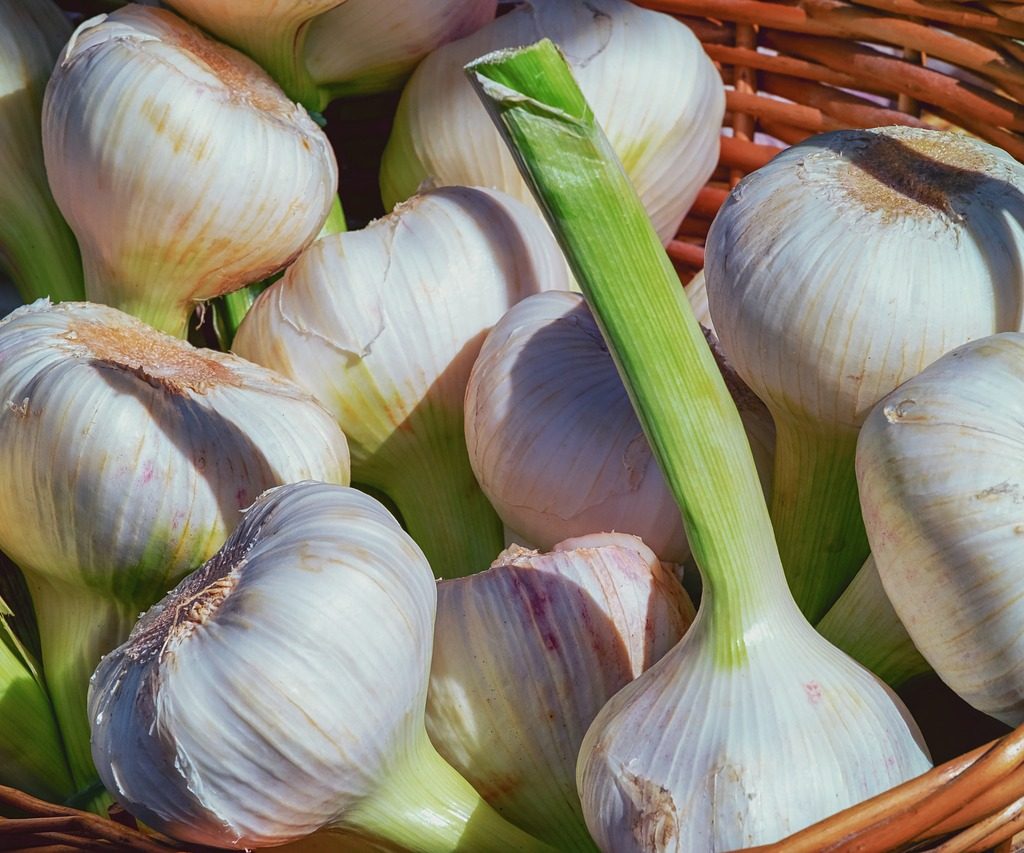
Keeping your plants safe from pests is a struggle that every gardener shares, and determining which pest control methods will repel the specific pests plaguing your garden can be tricky. Not every pest control method works for every pest, and not every method is suitable for all garden types.
If you’re looking for organic pesticides, your options are even more limited. One method you might not be aware of is garlic. That’s right, garlic doesn’t just keep vampires at bay, but pests as well! What pests does garlic keep away, and how does it work? Here’s what you need to know about using garlic as pest control.
Does garlic work as pest control?
Yes, garlic works as a pest repellant, and it’s typically extremely effective. Garlic repels insects in much the same way it repels some people. That is to say, the smell is unpleasant and so insects avoid it. When garlic is applied to the plants you want to protect, the plant absorbs the scent of the garlic, or, more specifically, the allicin in garlic.
The scent is faint enough that humans typically can’t detect it after application, but insects can. Although garlic won’t kill any insects that persist and take a bite, the scent is enough of a deterrent in most cases. Garlic spray can kill some soft-bodied insects, but only if it’s sprayed directly on them.
How is garlic used as pest control?
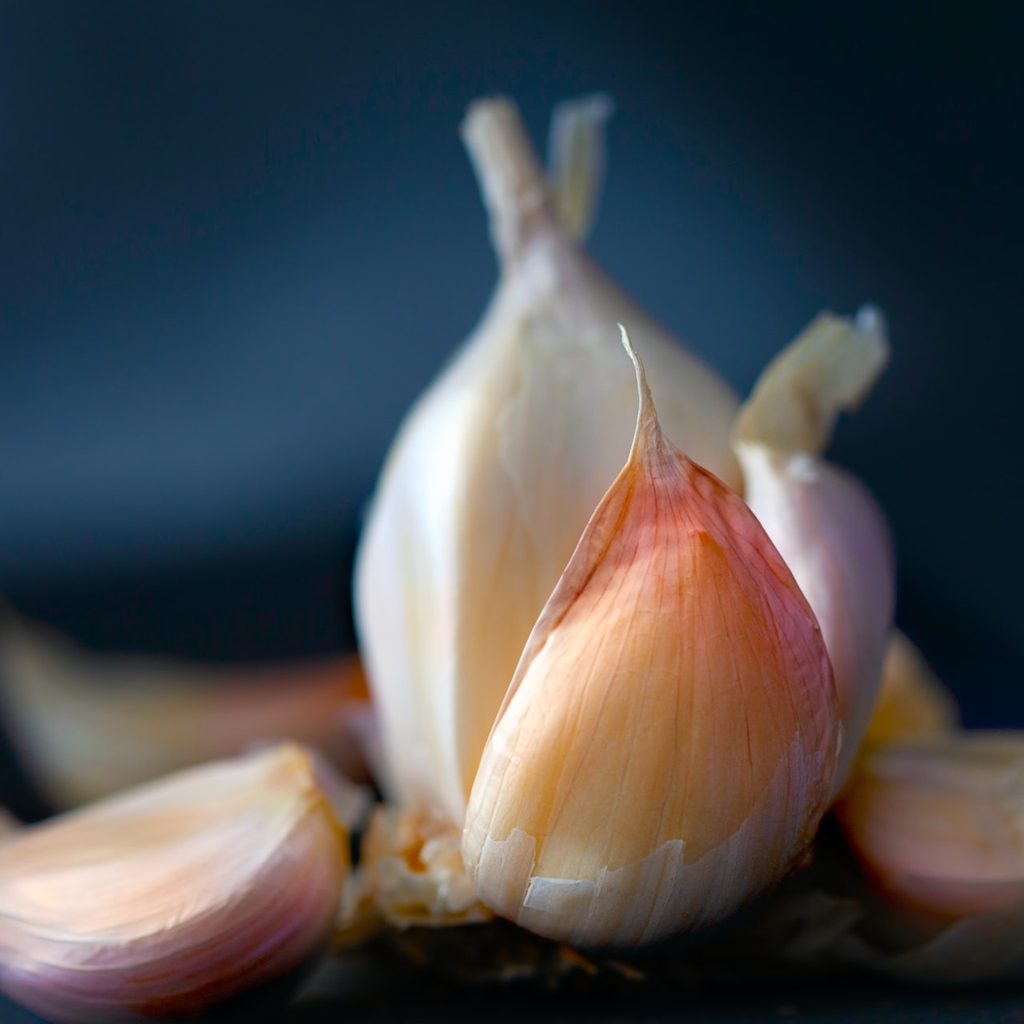
Garlic can be used in a few different ways to control pests, but the most common method is to make a garlic spray. The basic recipe for garlic spray is easily adjustable, so you can take this recipe and experiment with different proportions to find the strength that best works for you. There is also a range of recipes available across the internet, adjusted to different strengths or with different add-on ingredients that you can test out. For the most basic recipe, here’s what you’ll need:
- 4-6 cloves of garlic
- 2 quarts of water
- Optional
- 1 tablespoon of natural dish soap or natural oil
- 2 hot peppers or 1 tablespoon of hot sauce
Adding soap or oil can help the spray stick to the plant. Hot peppers contain capsaicin, which is what makes them spicy. Capsaicin is another natural pest repellent. Keep in mind that it is also a skin and eye irritant, so you may want to wear skin and eye protection as a precaution. Always wash your hands thoroughly after handling capsaicin.
Crush or chop your cloves of garlic as finely as you can. Heat your water until it’s nearly boiling, then add your garlic to it. If you’re adding in hot peppers as well, chop them finely and add them to the water with the garlic. Keep the water hot for another 15-20 minutes, then remove it from the heat. Once it’s cool, strain it to remove any chunks of garlic or pepper, then pour the water into your spray bottle or another container, if you intend to store it.
If you want to add a natural soap or oil, you can put it into the container first and pour the garlic water over it to make it easier to mix. Spray your plants with the garlic spray once a week. Make sure to target the undersides of leaves, since insects often lay their eggs there.
What pests does garlic keep away?
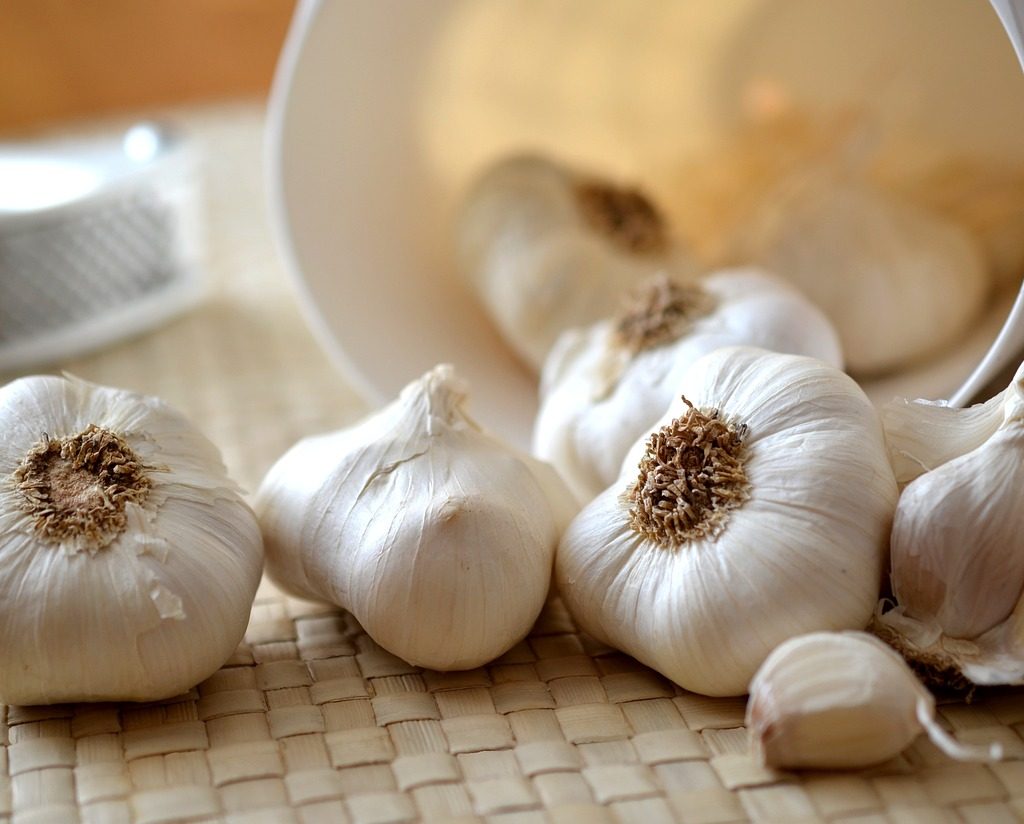
Garlic spray will repel most small flying or crawling, but not burrowing, insects. In particular, garlic spray has been noted to work against aphids, mites, caterpillars, armyworms, cutworms, beetles, slugs, mosquitoes, and flies. Garlic spray doesn’t kill pollinators, but it can dissuade them from stopping by. Avoid spraying garlic spray directly onto the flowers of your plants and they shouldn’t be bothered by it too much.
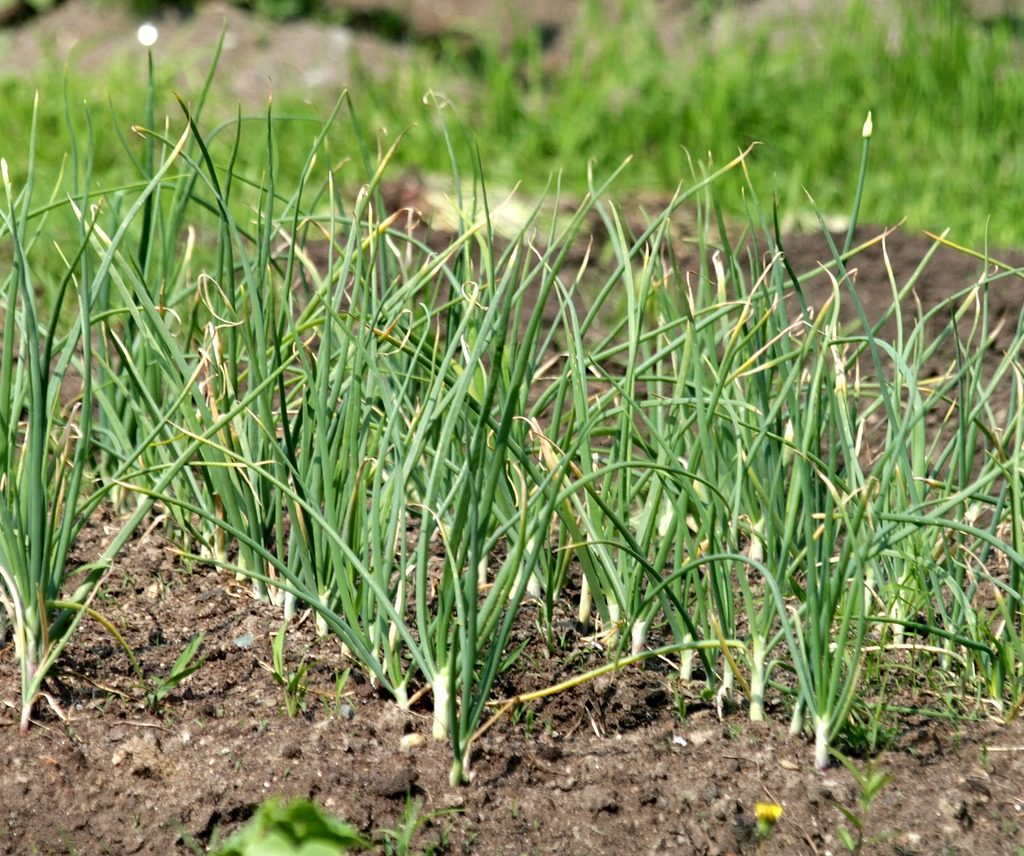
Planting garlic around your garden may help repel burrowing pests, but results can vary. Planting garlic and using garlic spray together can, however, help repel rabbits and deer. Rabbits are deathly allergic to garlic, while deer typically aren’t fond of the smell.
What are the benefits and the drawbacks?
Garlic spray is an organic pesticide, so it won’t harm your plants or the environment. It’s also much safer for people and pets than chemical sprays, unless one of your pets is a rabbit. Garlic spray is effective against many different pests, but it won’t stop most burrowing pests. It’s safe and inexpensive to make at home, although it can be a mild skin and eye irritant.
The pros and cons at a glance:
- Pros
- Organic
- Safe for people and pets
- Easy and inexpensive to make
- Effective against a wide range of pests
- Cons
- Ineffective against burrowing pests
- Can cause mild skin and eye irritation
What other alliums can be used as pest control?
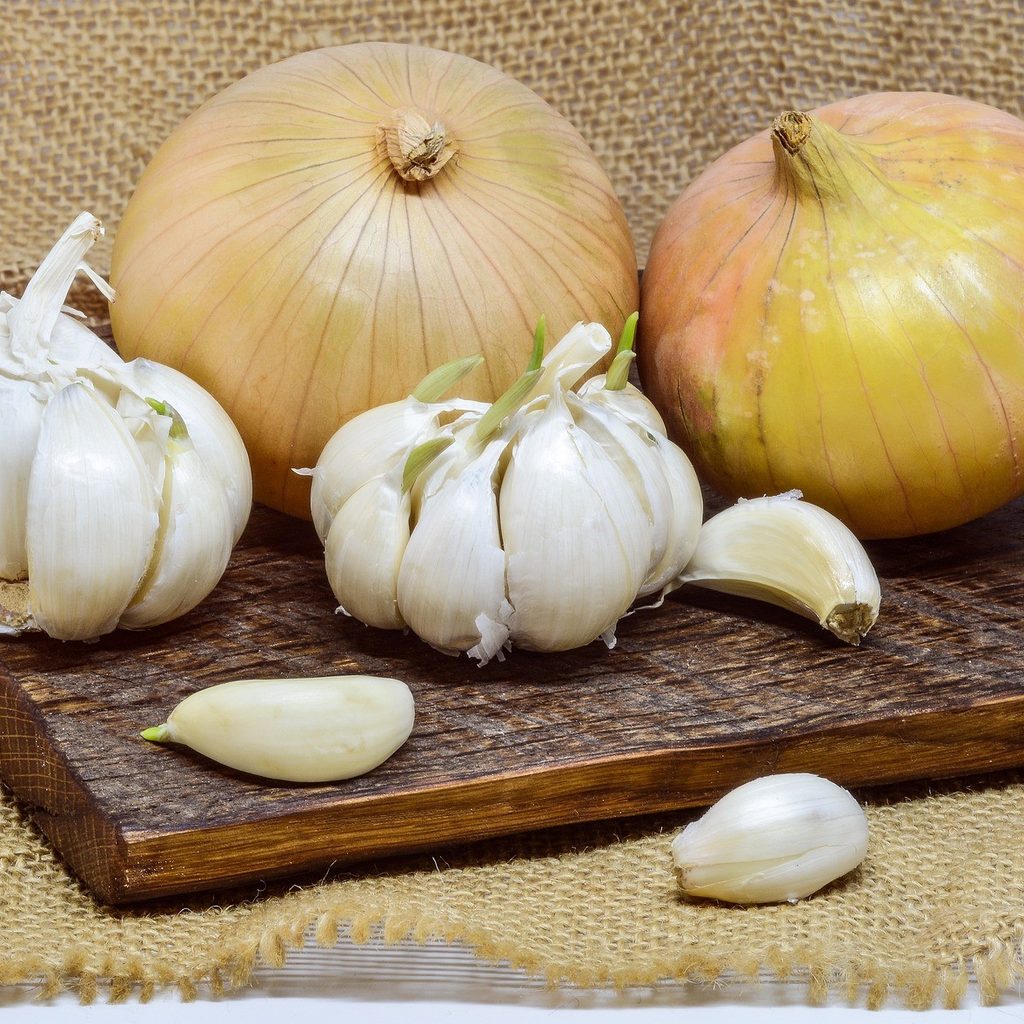
If garlic is in short supply, then you might be wondering if you can use its relatives instead. The answer is yes! Other alliums, such as onions, chives, leeks, and shallots can all be used in the same way. You can use them as a substitute for garlic or use a combination of garlic and other alliums in your pest control spray. In fact, mixing alliums might be the best option if you’re using alliums you’ve grown yourself. This way you can devote only a portion of your harvest to pest control and have more left over for delicious meals!
Garlic is an easy, effective, organic way to keep your plants safe from pests. If you’re dealing with or trying to prevent an infestation of flying or crawling insects, then garlic spray may be a great choice for you. Using the simple recipe we’ve provided, or one of your own design, you can get rid of anything from aphids to mosquitoes, and even keep rabbits at bay.