There are a lot of things plants need to survive, and most of them are needed in a relatively large amount. Lots of sun and water, a decent amount of nitrogen, and the like. There are some things, though, that aren’t like that. So what are trace minerals? Keep reading to find out!
What are trace minerals?
Trace minerals are nutrients that plants need a very small amount of to thrive. They can be called trace minerals, trace nutrients, or micronutrients. Some of these trace minerals are very important and provide essential elements for different proteins, hormones, or other processes. Others provide benefits but aren’t necessarily essential. There are also minerals or elements that do absolutely nothing for plants.
However, it’s important to remember that these are trace minerals! Your plants don’t need very much of them. Even the most important trace elements are only needed in small amounts. You can definitely have too much of a good thing. Overloading on trace minerals can cause problems, often resulting in the plants being unable to absorb a different nutrient or mineral.
What trace minerals do plants need?
Iron is needed to help regular growth. Manganese is useful for photosynthesis. Copper helps with enzyme production. Boron is used to form cell walls. Molybdenum is used by the bacteria and microorganisms in the soil to transform airborne nitrogen into soil-based nitrogen, making it easier for plants to use.
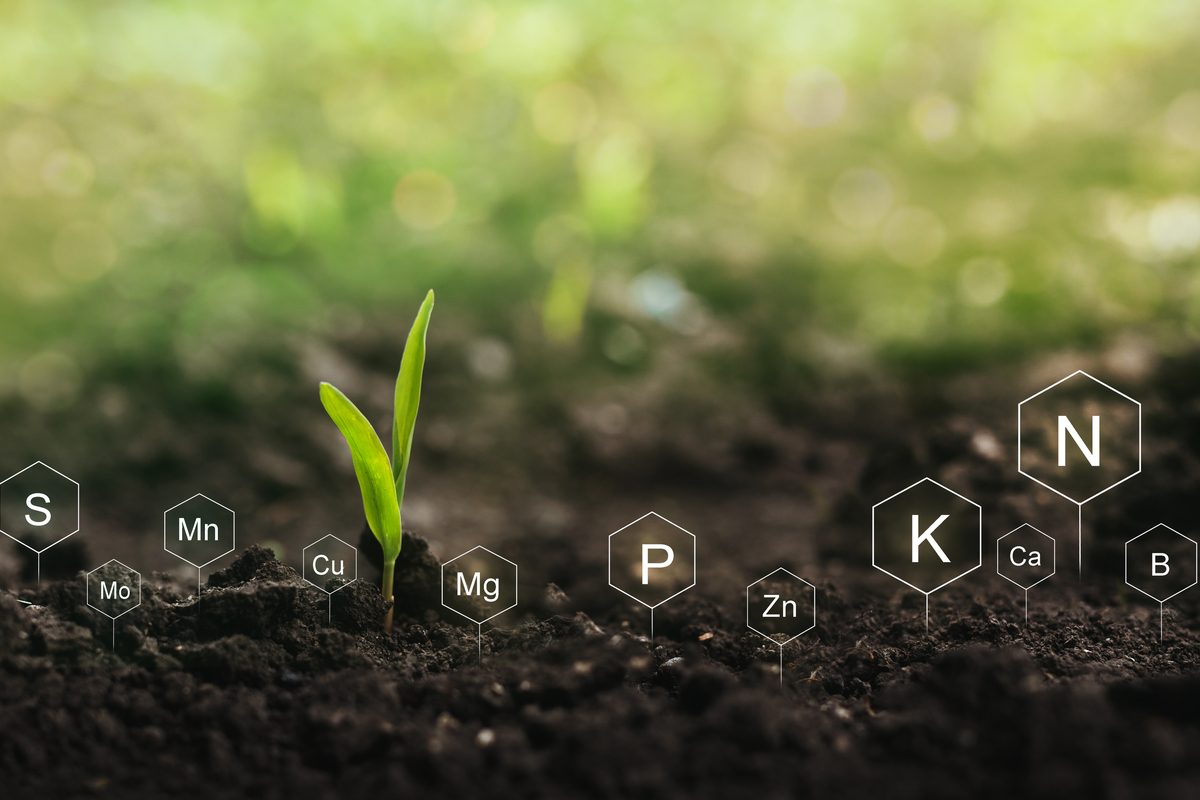
It’s also important to know the drawbacks for some of these minerals. Too much molybdenum in the soil causes copper deficiency in plants. However, too much copper is toxic to plants, as well as people. Boron has a different drawback. A lack of boron interferes with a plant’s ability to absorb and use calcium, which is a macronutrient used for the development and health of roots and leaves.
How can my plants get trace minerals?
You can buy fertilizers that contain these minerals. There are plenty of products on the market, so these minerals are fairly easy to find. There are also garden supplements, so you can add specific minerals to your garden without the use of fertilizers. When adding elements this way, it’s important to read all directions and to make sure you aren’t adding too much. You don’t want to throw off the balance of your soil!
Iron can be added to your garden through compost. All it takes is a little blood meal or chelated iron to make your compost rich in iron. The other trace minerals are not impossible to add to compost, but that would entail adding the garden supplements to your compost, which, while not necessarily a bad idea, doesn’t add any extra benefits over just adding the supplements to your garden directly.
However, most soil that plants naturally grow in will have these trace minerals. Severe deficiencies are uncommon in most soil types. Chances are that your plants will be able to get these trace minerals from the ground on their own.
How do I know if my plants are getting enough or too much?
The most effective, most reliable, and generally best way to check the mineral balance in your soil is to test it. There are a variety of kits you can get to do basic, at-home testing for things like pH. Your local landscapers, garden supply stores, etcetera, may also be able to run a test for you. At the very least, it’s worth it to call and check. Testing your soil is also the best way to avoid overloading your soil with any particular nutrient of mineral.
If you aren’t sure if a test is worth it, there are some basic warning signs you can look for to identify potential deficiencies or overloads. Once you notice any of these signs, you should still get a soil test done to be certain and to see how severe the issue is.
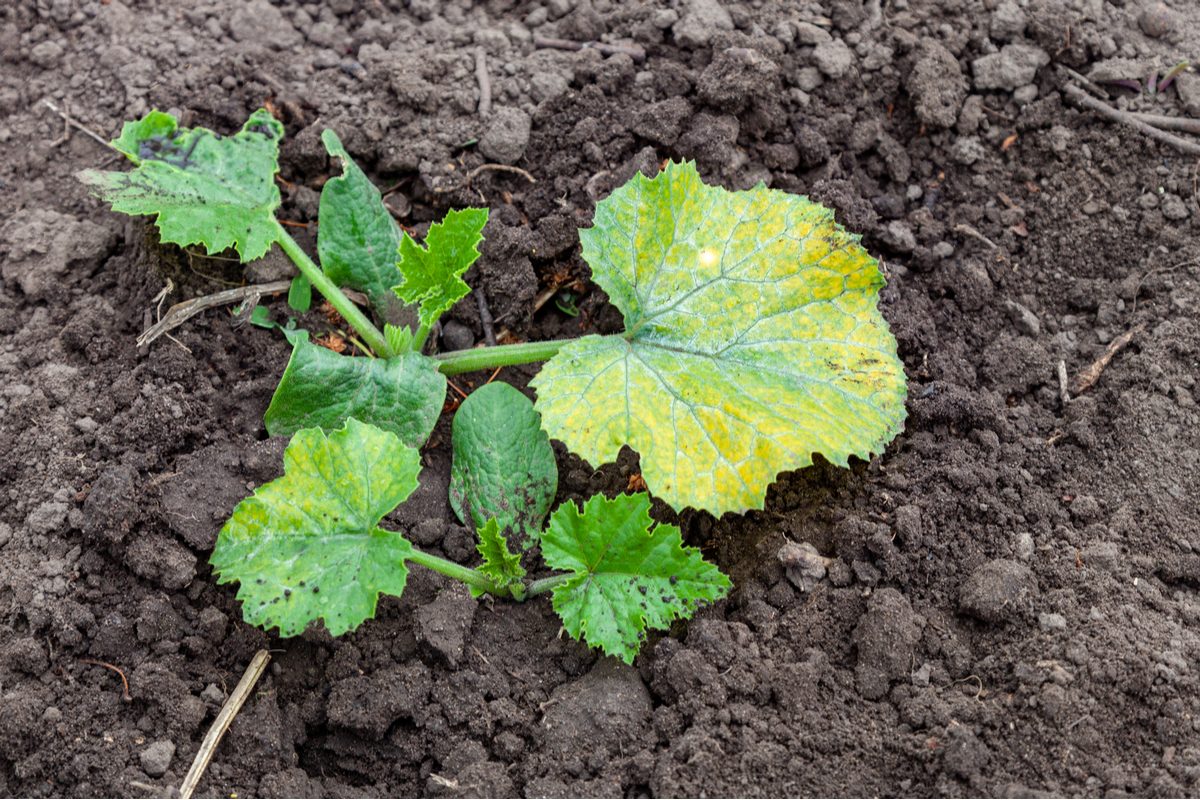
If the leaves of your plant start becoming an unnaturally dark green and the development of your plant seems to be stunted or halted, you may be dealing with a copper deficiency. If the leaves of your plant are turning bright yellow, that can be a sign of manganese, iron, or zinc deficiency. Zinc deficiencies also result in malformed terminal leaves.
Yellow leaves can also be a sign of molybdenum deficiency. However, in this case, it is only the older, mature leaves that turn yellow. Younger leaves and stems turn lime green instead.
Now you know all about trace minerals, what they are, and how to make sure your plant is getting the right amount of them! When in doubt, test your soil, and you should be fine.