The pothos is a notoriously easy plant to take care of, but there can be a learning curve when it comes to making it look great. Sure, your pothos might not flat-out die in less-than-ideal conditions, but it might not achieve that stunning trailing form that it’s known for. If you’re wondering how to keep your plant lush and in tip-top condition, here are five tips on how to make your pothos grow faster.
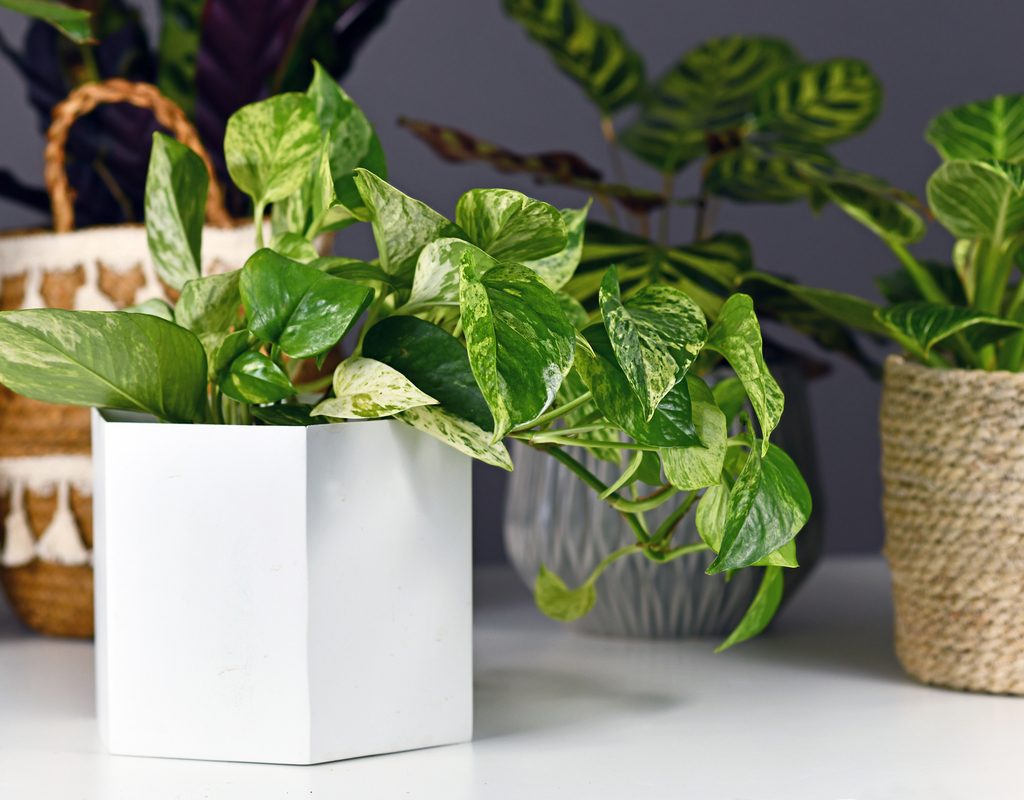
Fertilize your pothos.
A pothos plant can substantially benefit from a fertilizing boost, even if it’s not a heavy feeder. There’s no need for special fertilizer — an all-purpose fertilizer (or a basic balanced one) should be sufficient for keeping your pothos happy. Apply plant food every week throughout the growing season to keep your pothos prolific. Even if you don’t want your pothos to push out growth, it’s still important to feed it to give it nutrients and help it develop resilience against pests and infections. Just make sure not to overfertilize or fertilize during the winter — giving your pothos too much fertilizer could make its leaves and roots burn.
Cut your pothos.
The “chop and prop” technique can do a pothos a lot of good, especially since trimming a pothos can encourage robust growth. Over time, your pothos can become leggy from a lack of nutrients or light, so pruning will spur growth and give it a fuller shape. You can simply toss the cuttings away or keep them to create more plants. You can even put the cuttings back into the original planter to give your pothos a bushy, healthy look. All you have to do is snip above a leaf node with a clean pair of scissors or pruning shears. If you’re taking cuttings, there’s no need to use rooting hormone — pothos will root quickly either in soil or water.

Give your pothos lots of light.
Yes, a pothos is notoriously a low-light plant. Low light, however, is not the same as no light or very little light. Light, after all, helps plants photosynthesize to produce chemical energy and grow. While your pothos might survive living in very little light, it’ll probably grow slowly or become leggy from reaching for the light. Bright indirect light from an east- or north-facing window can keep a pothos happy. A south- or west-facing window may be a bit strong for a pothos, so keep your plant a couple of feet away from those types of windows or use a sheer curtain. If you don’t have good lighting either way due to awnings or buildings, invest in grow lights to supplement your pothos.
Give your plant the right-sized pot.
Pothos are easy-going and quick to recover, but giving them the proper planter can help them thrive. Pothos can tolerate being a little potbound, but you might delay growth if you keep your plant rootbound for too long. Over time, the tangled roots can make it difficult for your plant to receive the water and nutrients it needs to grow. Subsequently, leaves can start to wilt and die from being underwatered. On the other hand, a pothos that’s placed into too much soil can suffer from root rot, especially if your potting mix isn’t well-draining — leaves can start yellowing and dropping like there’s no tomorrow. You’ll want to repot your plant if you notice roots poking out of the drainage holes. In general, you should only go up two inches from the original pot to avoid overwatering your plant.
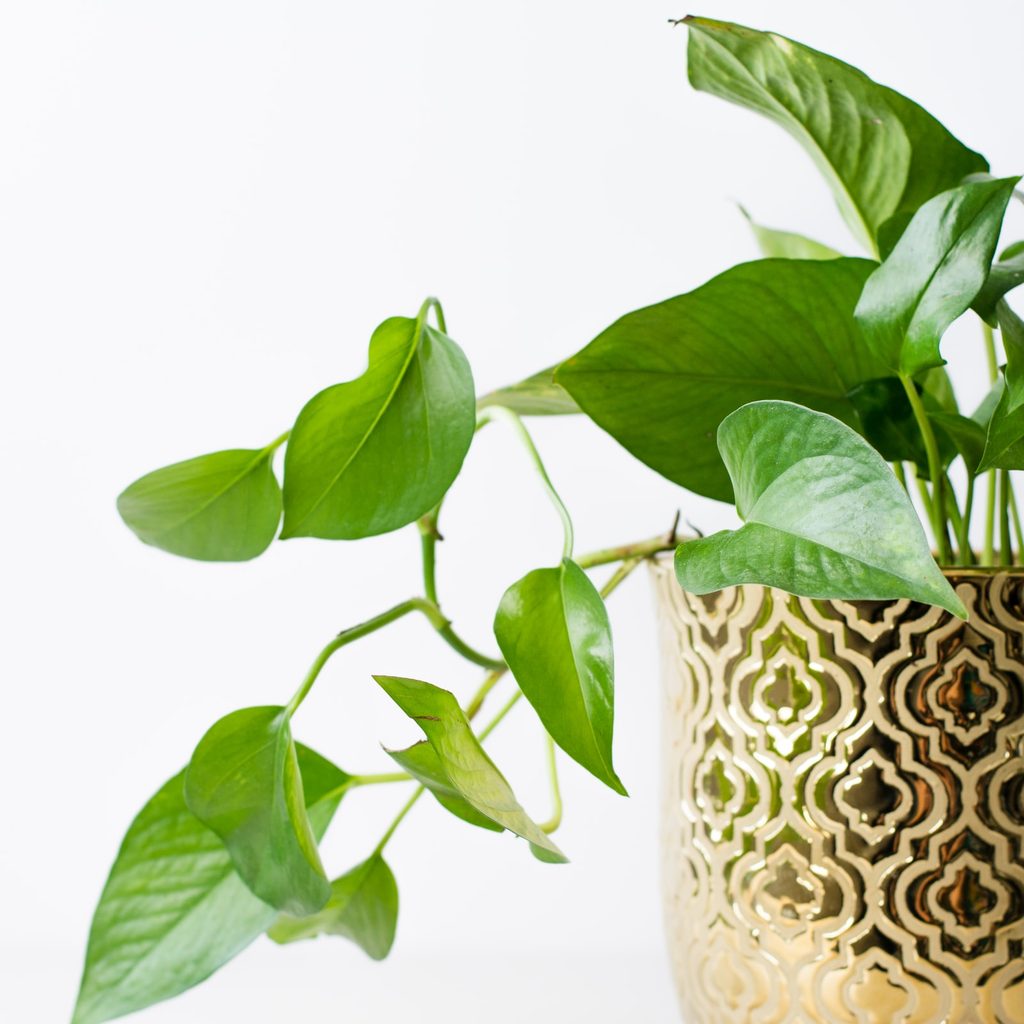
Keep your pothos warm, but not too warm.
You’ve given your pothos fertilizer, light, the right-sized pot, and the occasional trim but it still seems to be struggling. What gives? Keep an eye out for the temperature. Pothos are tropical plants from warm climates; their sweet spot is around 65 to 85 degrees Fahrenheit. You want to place your pothos in a relatively warm area — drafty cold windows can dry out the leaves and cause them to wilt or crisp. Hot summer highs can also make leaves wilt, especially if you don’t water your plant enough.
Though widely known as a prolific and easy-going plant, the pothos can require legwork to get a gorgeous trailing silhouette. Demystifying what it needs, however, isn’t too difficult. While it can survive low light and sparse watering, the pothos thrives with the best care possible, which means generous fertilizing, mindful pruning, ample bright indirect light, occasional repotting, and warm but not too warm temperatures. By giving your pothos moderate care beyond the minimum requirements, you’ll be rewarded with a lush, beautiful plant that pushes out leaves left and right.


