Trees, bushes, and shrubs all need pruning and trimming. The questions that many gardeners ask, however, may concern the difference between pruning and trimming, and which one is needed. The words pruning and trimming might be used interchangeably, or maybe you just say cutting back instead. Regardless, here are the answers to all of your questions about trimming and pruning.
What is trimming?
Trimming refers to cutting the branches of an overgrown plant. You might be cutting it into a specific shape, or just trying to keep it to a specific size. Trimming might be done for cosmetic or health reasons, but the important distinction is that the plant is overgrown and you are just taking enough to get it back to its correct size or shape.
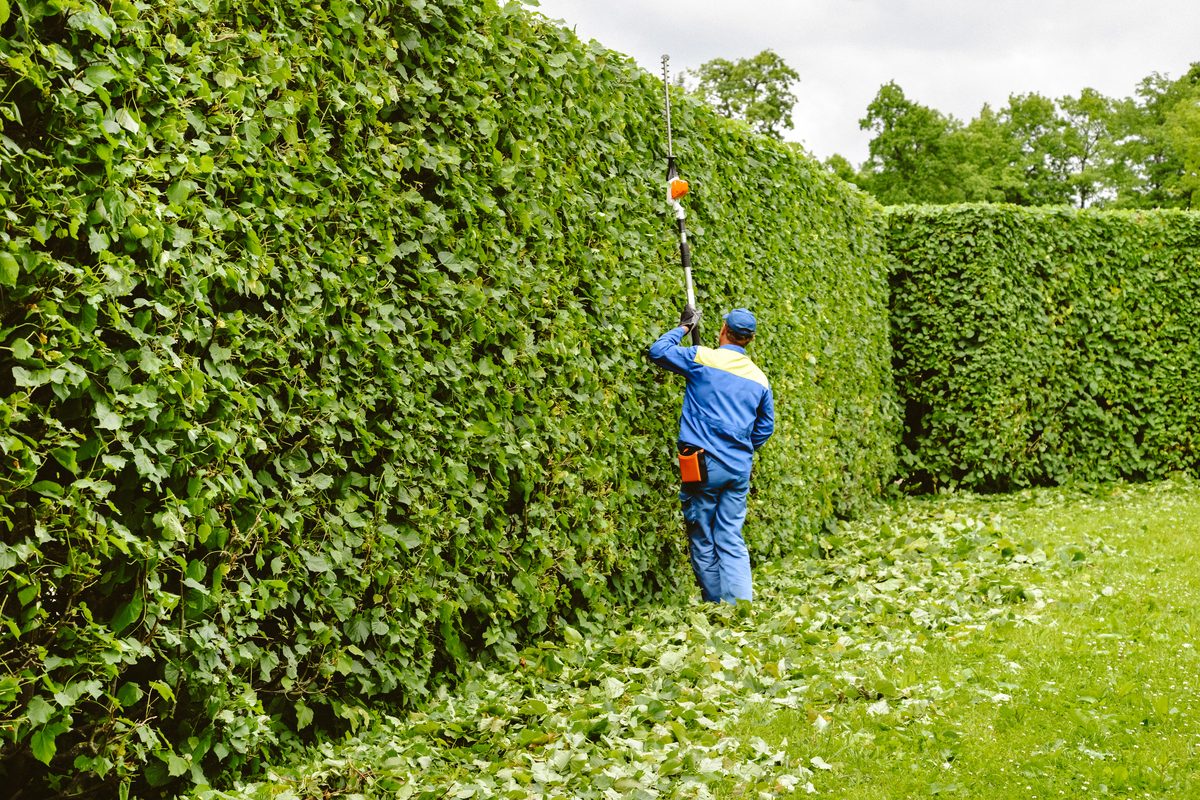
The health benefits of trimming are largely preventative. It can help reduce the risk of pest infestations and diseases, and reduces the risk of falling branches, which, if your plant is big enough, could cause serious property damage. Trimming also helps encourage healthy growth. Think of it like trimming your hair to get rid of split ends. The remaining hair is healthier and has a chance to grow back stronger.
What is pruning?
Pruning, on the other hand, involves cutting off diseased, dead, loose, or otherwise unhealthy branches. It can also be done for cosmetic reasons, as dead branches are not terribly attractive, but it is primarily done for health reasons.
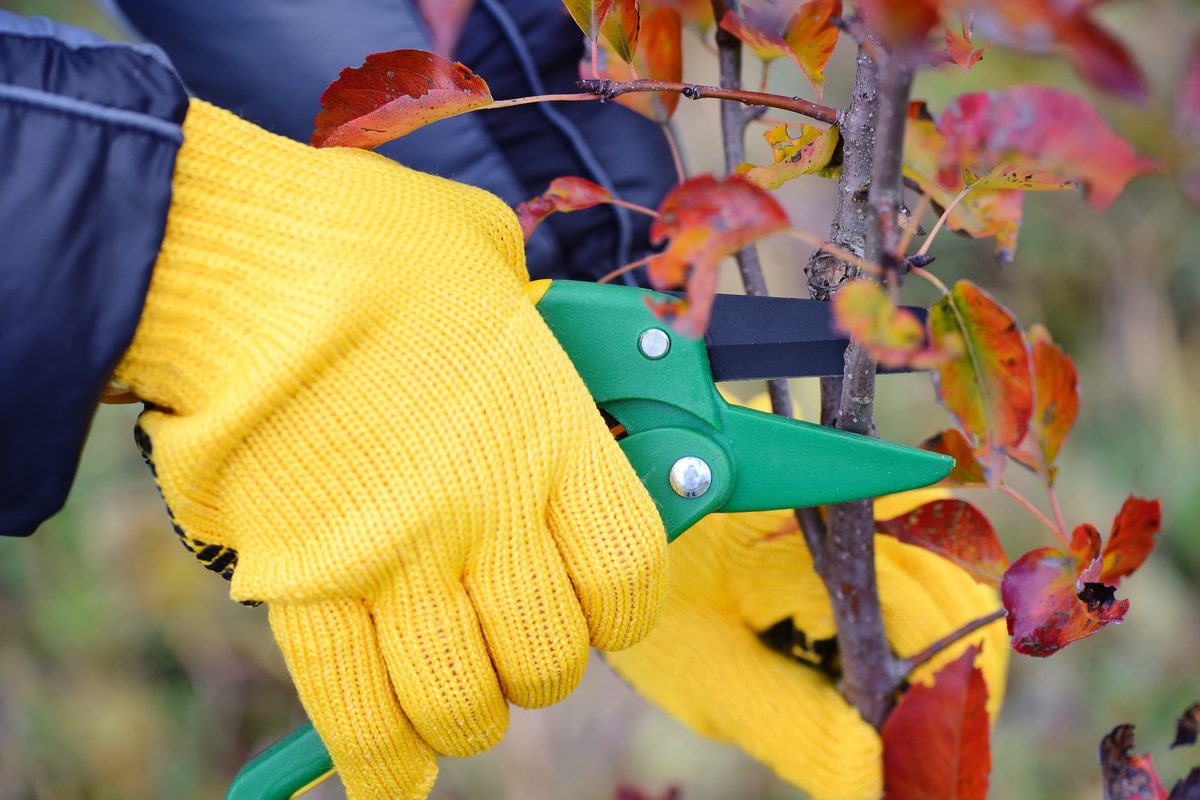
Pruning can be preventative or reactionary and is typically both. Removing dead or diseased branches is both reactionary, reacting to the presence of that dead or diseased branch, but also preventative, as it stops the diseases from spreading and keeps the plant from wasting energy on that branch or branches. This leads to a stronger and healthier overall plant. If trimming is like a haircut, then pruning is like pulling an infected tooth. That one tooth has to go, but then the whole mouth is in better health.
Why does it matter which one you use?
Trimming and pruning have similar benefits, but they’re used in different situations. Pruning is typically more selective, removing a few specific branches that are damaged or unhealthy or likely to become so if left alone. Trimming, on the other hand, is a more general, all-over type of approach.
If your plant is growing too large and needs to be cut down to size, so to speak, then pruning simply wouldn’t do the job. On the other hand, if your plant had a branch that was damaged or diseased, trimming wouldn’t help very much. It’s really just a case of using the right tool for the right job.
Which method is right for your plants?
The best way to determine the correct method for your plants is to consider their immediate needs. Is there a particular branch or branches that are dead, dying, or likely to start soon? Check to see if there are branches that are tangled with each other or constantly rubbing against each other or something else. This can cause abrasions that can lead to easier infections, so it’s best to nip that in the bud! Pruning can be beneficial for all plants, but some plants are known to thrive off of regular pruning. Roses, for example, are the quintessential pruned plant.
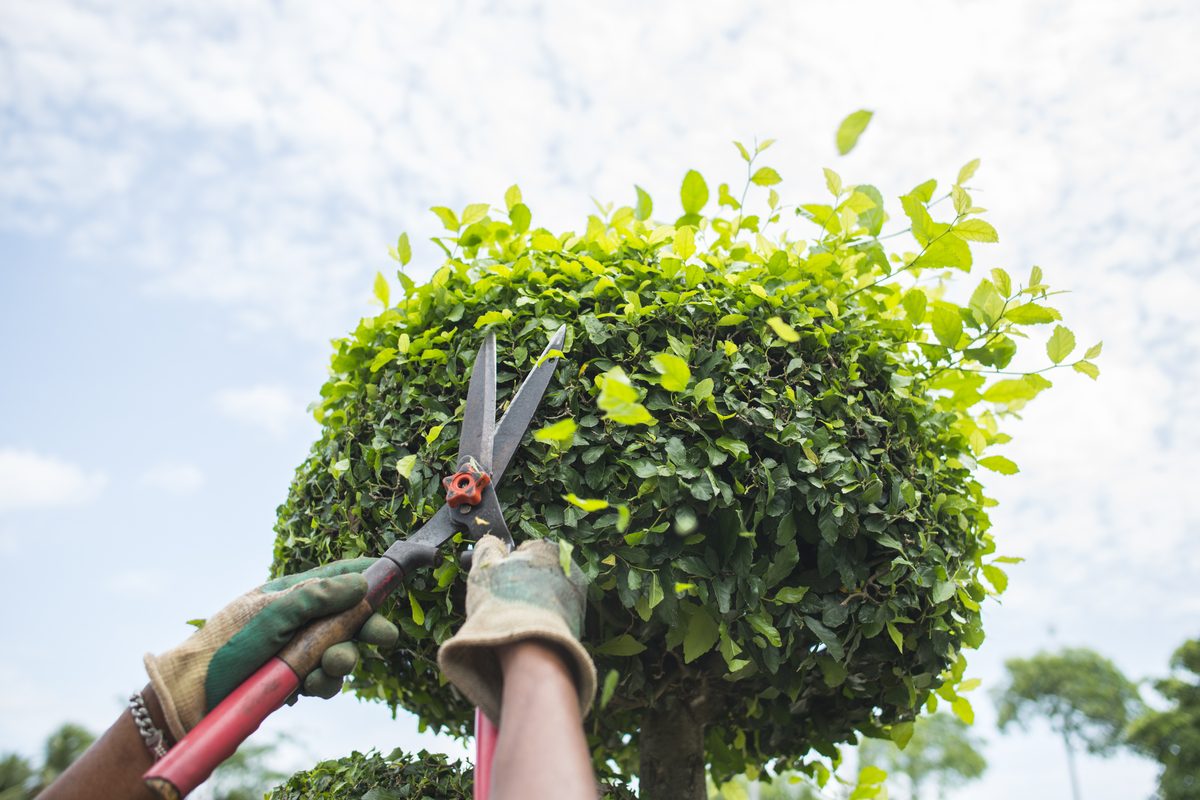
If the plant in question doesn’t have any specific branches in need of removal, however, then a nice trim may be in order. Consider what size and shape is healthiest for the species of plant you have as well as what is most aesthetically appealing to you. Plants that are very close to your house or another structure should be trimmed regularly to keep them from becoming unwieldy and scraping against the structure, potentially damaging both the structure and the plant.
For most plants, though, a combination of the two methods at different times is beneficial. The health benefits are great, and it doesn’t hurt the visual appeal, either. Just make sure your garden shears, pruning knife, or whatever blade you prefer is sharp!
Now you know the difference between pruning and trimming, and are ready to get out into your garden, armed with the knowledge of beneficial landscaping practices! Just be sure your tools are sharp, and be careful when cutting those branches.