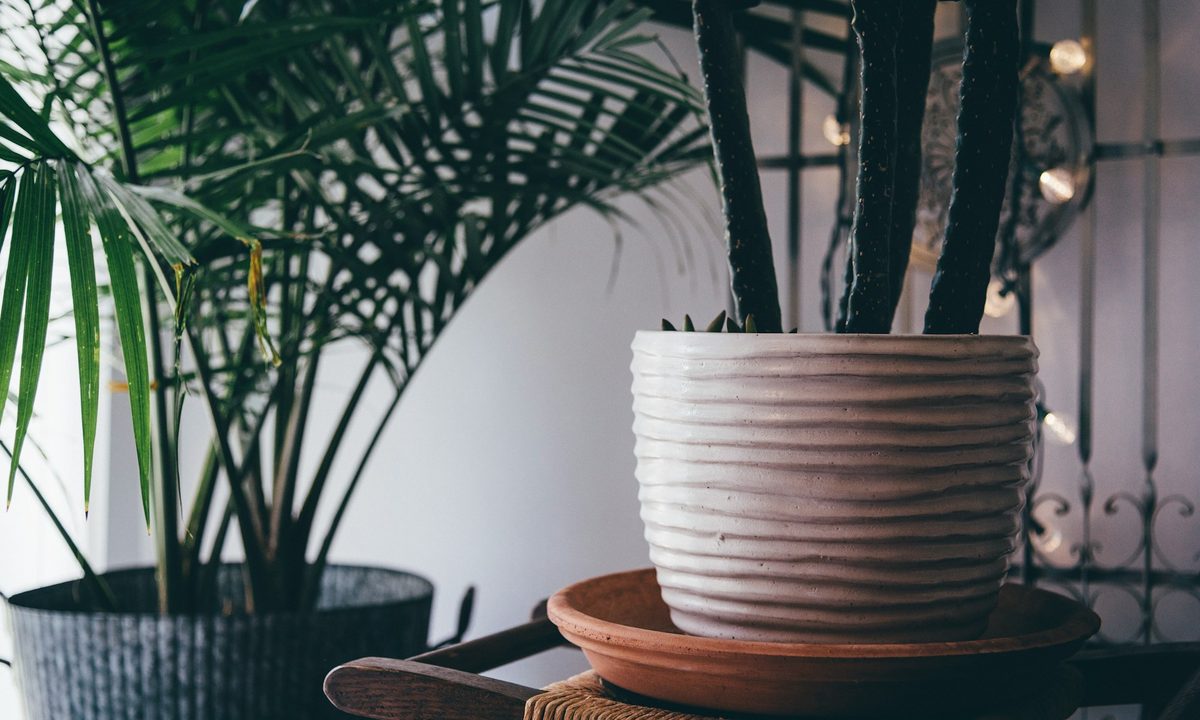
Houseplants are an excellent way to bring life to your home and reduce stress, but what if you need something to fill a little more space? Trees can fill space and provide many of the same benefits that other houseplants do. There are even some fruit trees you can grow indoors! While you can grow bonsai trees, they can be a challenge for beginners. On the other hand, full-sized trees are a bit too big to fit inside most homes. Luckily, there are plenty of naturally small trees that make perfect houseplants. Here are the best indoor trees for you to grow.
Ficus Audrey
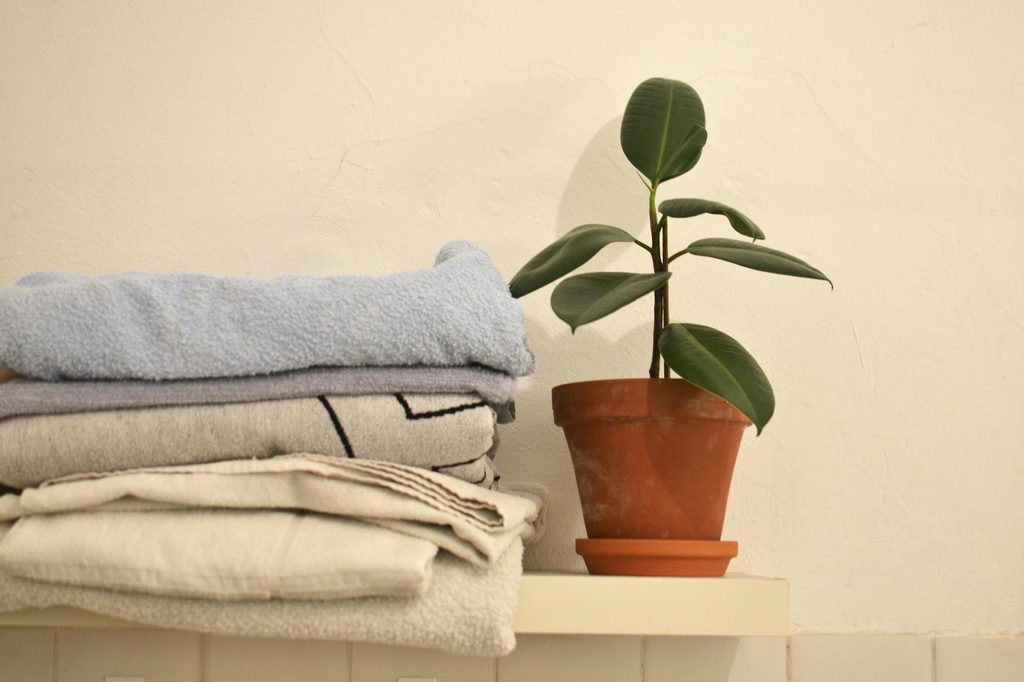
If you love the way fiddle-leaf fig trees look indoors but are a bit put off by how needy they can be, their cousin, the gorgeous ficus Audrey, might be the best indoor tree for you. Ficus benghalensis is a moderately slow-growing tree that thrives indoors. These hardy and adaptable trees are beautiful, resembling the fiddle-leaf fig with slightly smaller and more oval-shaped leaves.
These trees are also remarkably easy to care for, thriving in any warm, sunny spot. Plant them in well-draining soil, mist them to keep the humidity up, and water your ficus Audrey whenever the soil dries out.
Rubber tree
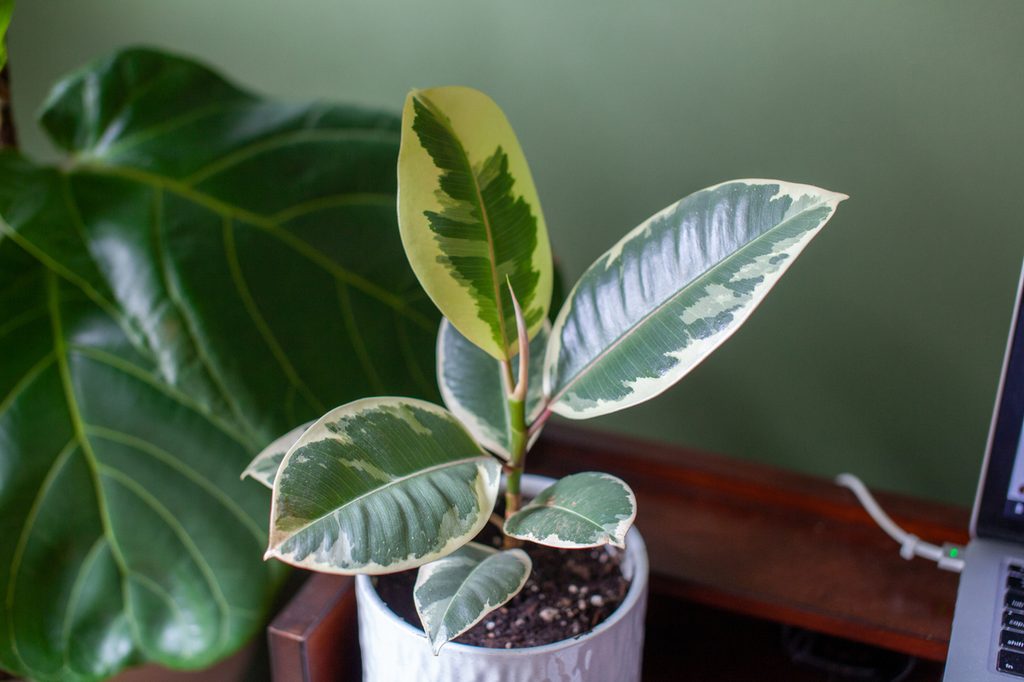
Another cousin of the fiddle-leaf fig, rubber trees, or Ficus elastica, are known for being lovely and hardy. They are more tolerant of low-light conditions than many other types of trees, and their small size makes them perfect office plants. Not to mention, they’re easy to propagate.
Rubber tree plants also come in variegated varieties, so if solid green leaves aren’t to your liking, you can opt for a green and white variety instead. Plant your rubber tree in well-draining soil and water it when the soil is dry. For the best growth, place your rubber tree in bright, indirect light.
Kumquat
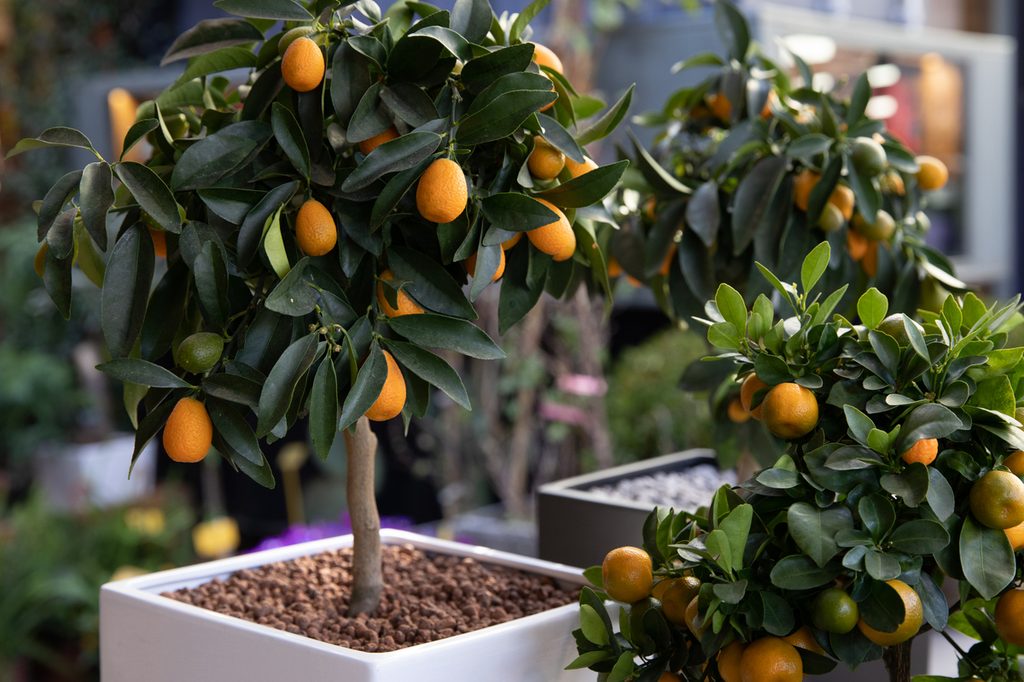
If you want to grow your own fruit but don’t have room outdoors for a full-sized tree, then you’ll be happy to know that kumquat trees can grow in containers! They can grow indoors like Meyer lemon trees, and you can place them outdoors during warm weather.
In order to ensure a good harvest, your kumquat tree will need lots of sunlight and water. Ideally, the soil should be consistently moist but not muddy. Your kumquat tree will need plenty of nutrients in order to produce fruit, so fertilize it in spring with a citrus fertilizer. Kumquat trees typically don’t fruit in the first year, but be patient, and soon you’ll see fruit in late fall through early spring!
Dwarf banana tree
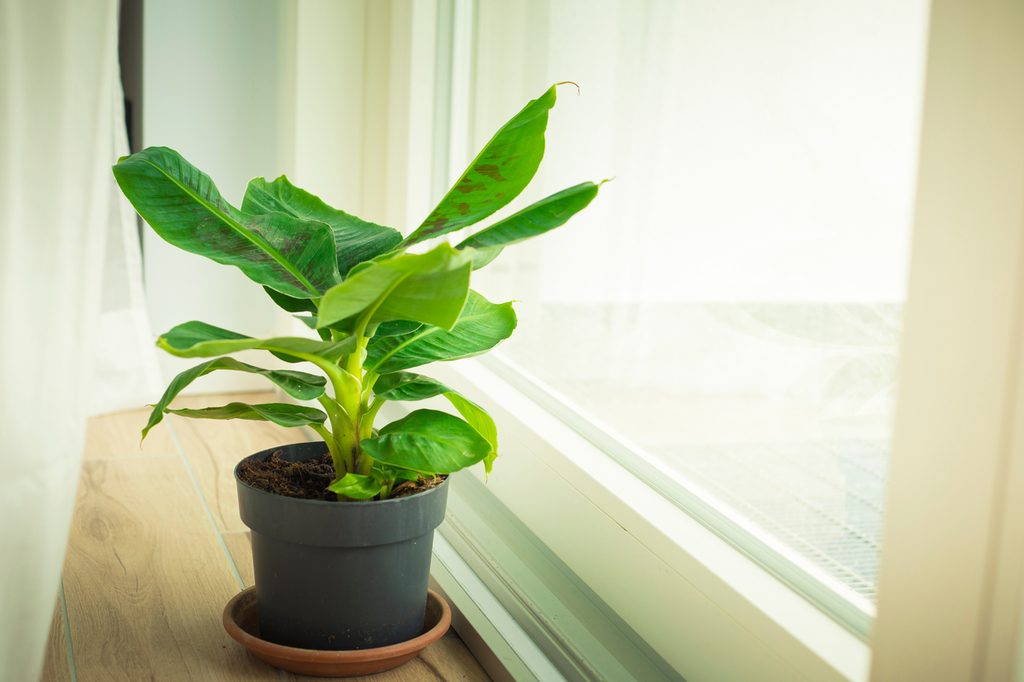
Banana trees are another good option if you want to grow fruit indoors. While there are ornamental, non-fruiting varieties, you can also grow the same bananas you can find in grocery stores right in your own home! Banana trees can grow quite tall, so make sure you select a dwarf banana tree variety. They grow fairly quickly when taken care of, so make sure they have plenty of room.
Plant your banana tree in well-draining soil and place it in a sunny window. Water your banana tree regularly, letting it dry just slightly between waterings. Typically, banana trees grow fruit after the first year of growth.
Yucca
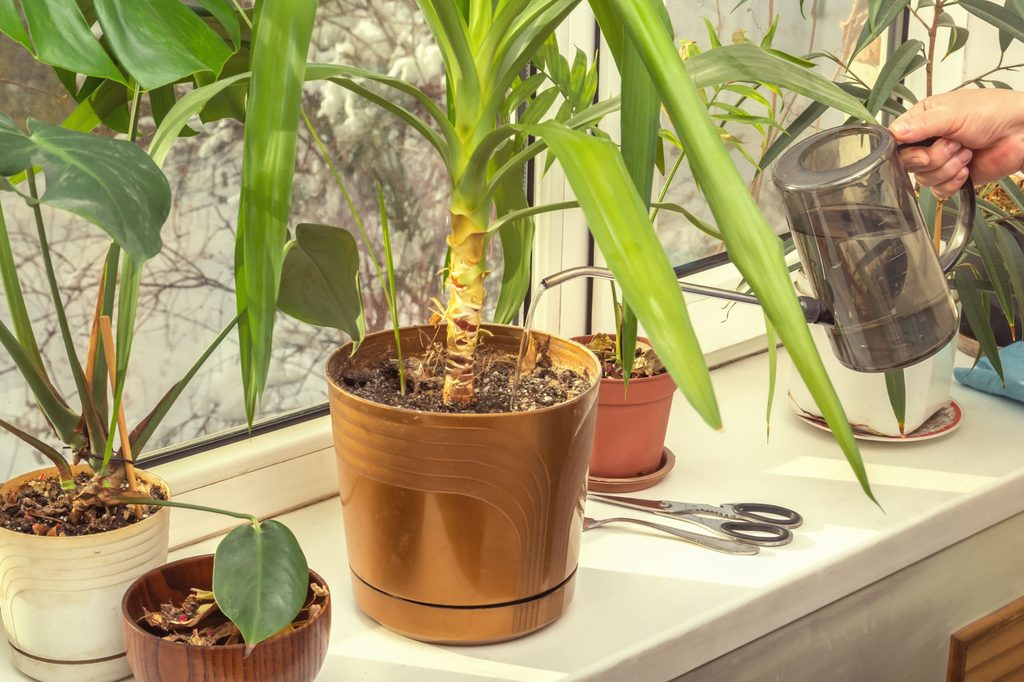
Yucca trees are hardy, short trees with long, lovely leaves. These are among the best indoor trees for gardeners who travel or who struggle with maintaining a watering schedule, because they are quite drought tolerant. Regular watering will help keep their leaves perky and fresh, but they recover quickly from neglect.
Plant your yucca plant in well-draining soil. Some gardeners find success with cactus or succulent soil, but standard potting soil works just as well. You can fertilize your yucca tree in the growing season with any balanced fertilizer. Bright, indirect light is the best for yucca trees, although they can tolerate some shade.
Areca palm
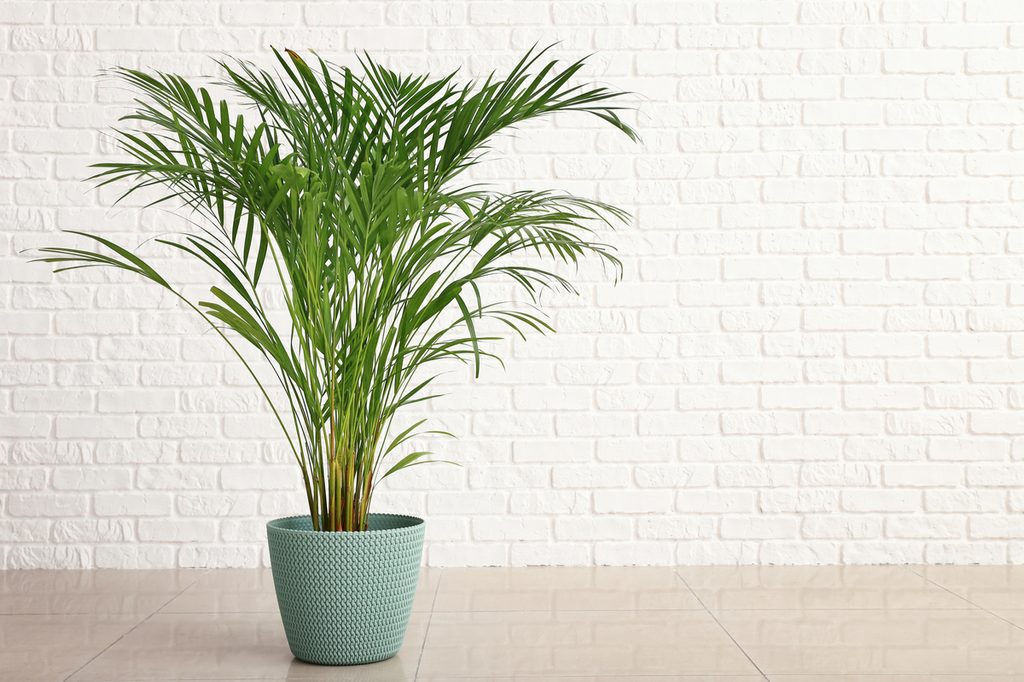
Areca palm trees are perfect if you need a little piece of the tropics in your home. While most of the trees on this list are tropical or subtropical, there’s nothing quite like a palm tree to put you in mind of the beach! With bamboo-like canes and fern-like leaves, this elegant houseplant is one of the best indoor trees for practically any home.
Plant your areca palm in rich, well-draining soil and place it in bright, indirect light. Water it whenever the soil dries out, and feed it with a palm fertilizer during the growing season for strong, healthy growth.
These trees are a few of the best indoor trees you can grow in your home, and they’re surprisingly easy to care for. Whether you want to grow a tree for the relaxing properties or for the fruit, these trees are a great place to start. They pair well with other houseplants, too, so there’s no need to worry about limiting your indoor garden.


